
The science behind Werner Syndrome: Inside Sinenhlanhla Khoza’s battle with accelerated aging


Social media in South Africa has been gripped by the heartbreaking story of Sinenhlanhla Khoza, a 31 year old mother from Mtubatuba in KwaZulu-Natal, whose rapid physical transformation left many online shocked, confused and searching for answers.
But beyond the viral clips, whispers and speculation lies a deeply human story about living with a rare medical condition most people have never even heard of.
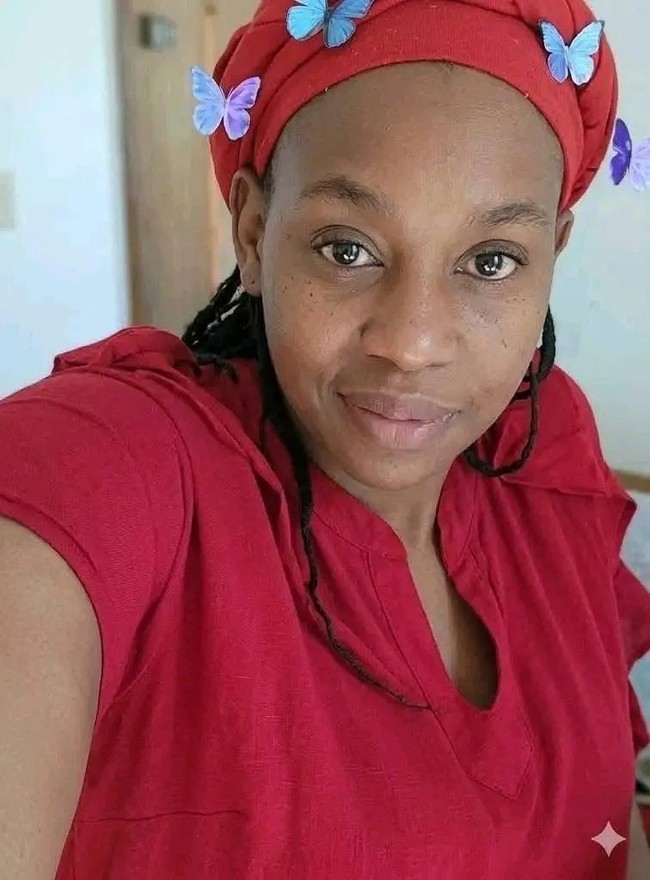
Khoza’s appearance reportedly changed dramatically over just a few years.
According to widespread reports, she grew up healthy and developed normally until around the age of 27, when her skin, organs and overall physical health began deteriorating rapidly.
Today, medical onlookers and commentators believe she may be living with Werner Syndrome, a rare genetic disorder often described as “adult-onset progeria”, a condition linked to accelerated ageing.
What is Werner Syndrome?
Werner Syndrome is an extremely rare genetic disorder that causes the body to age much faster than normal, usually beginning in a person’s late teens or twenties. Unlike childhood progeria, where symptoms appear very early in life, Werner Syndrome develops later, which is why many people only notice something is wrong in adulthood.
In short, the body’s cells begin breaking down and ageing far earlier than they should. Doctors say people living with the condition may experience the following:
- Rapid skin aging.
- Hair loss and premature greying.
- Wrinkling and tightening of the skin.
- Severe fatigue.
- Vision problems.
- Heart complications.
- Fragile bones.
- Diabetes.
- Increased cancer risk.
Some patients can physically appear decades older than their real age within a short space of time.
For many South Africans watching Khoza’s story unfold online, the transformation felt difficult to comprehend. And when communities do not understand rare illnesses, fear and misinformation often rush in to fill the gap.
“It must be a curse.”
One of the most painful parts of Khoza’s story has been the public reaction surrounding her condition.
Social media users and some local community members reportedly linked her illness to witchcraft, curses, or spiritual punishment following a past relationship.
But medical experts have strongly rejected these claims. Werner Syndrome is not contagious. It is not caused by spirituality. It cannot be “sent” to someone.
It is a genetic condition caused by mutations in the WRN gene, which helps repair damaged DNA in the body. When that gene malfunctions, cells age and deteriorate faster than normal.
Misinformation around illness can isolate people already dealing with unimaginable emotional and physical stress.
In many African communities, rare diseases are still poorly understood.
Conditions that visibly alter the body often become attached to shame, superstition or fear. For patients, that can be just as painful as the illness itself.
What makes Werner Syndrome especially devastating is that it affects almost every system in the body.
According to experts from the Cleveland Clinic and the National Institutes of Health, people living with the condition may develop diseases normally associated with old age while still very young.
Some of the biggest complications include:
- Early cataracts and vision loss.
- Hardening of the arteries.
- Heart disease and stroke risk.
- Type 2 diabetes.
- Osteoporosis.
- Muscle wasting.
- Rare cancers.
Doctors say many patients also develop a distinct facial appearance due to loss of fat beneath the skin, often described medically as “bird-like” features. But behind the medical language are ordinary people trying to survive extraordinary circumstances.
For many, Khoza’s story also brought back memories of Ontlametse Phalatse, affectionately known as South Africa’s “First Lady” of progeria.
Born in Pretoria, Ontlametse became one of the country’s most recognised advocates for rare disease awareness before her death in 2017 at age 18.
Her life opened conversations many South Africans had never previously had about premature ageing disorders, disability stigma and compassionate healthcare.
Now, years later, Khoza’s story is forcing another uncomfortable but necessary conversation: how quickly society turns unfamiliar illnesses into spectacle instead of support.
There is currently no cure for Werner Syndrome. Treatment focuses on managing symptoms, monitoring heart health, controlling diabetes, treating vision complications and screening for cancer early.
But awareness can still change lives. Early diagnosis may help patients access better medical care. Public understanding may reduce stigma. Compassion may help families feel less alone.
